Flying with a baby under two years old can leave some parents wanting to cancel their vacations due to the stress, planning, and logistics! This course is going to take away that stress, help you feel empowered, and allow you to have a memorable vacation with your baby!
Module One is all about getting your baby’s passport—an important first step before booking international travel.
A passport is required for all international flights, including infants and babies. If you’re flying domestically within the U.S., a passport is not needed. However, it’s a good idea to bring a copy of your baby’s birth certificate when flying domestically, just in case the airline asks to verify your child’s age at the airport.

Should you choose an early morning flight? Or try to time it with an afternoon nap?
Wait… what if the only option is a night flight? HELP.
This module breaks down the pros and cons of flying during early morning, morning, afternoon, evening, and even red-eye flights, so you can choose the option that makes the most sense for your baby—and your sanity.

In this module, I'm going to share what you need to know about booking a flight with your baby! Below are the key topics we'll discuss.
Lap child
Booking their own seat
What documentation will be needed (birth certificate vs. passport)
Calling vs. booking tickets online
Domestic vs. International
Let's get started!

These items that we're going to be covering in this module are a lifesaver to have while traveling with your baby!
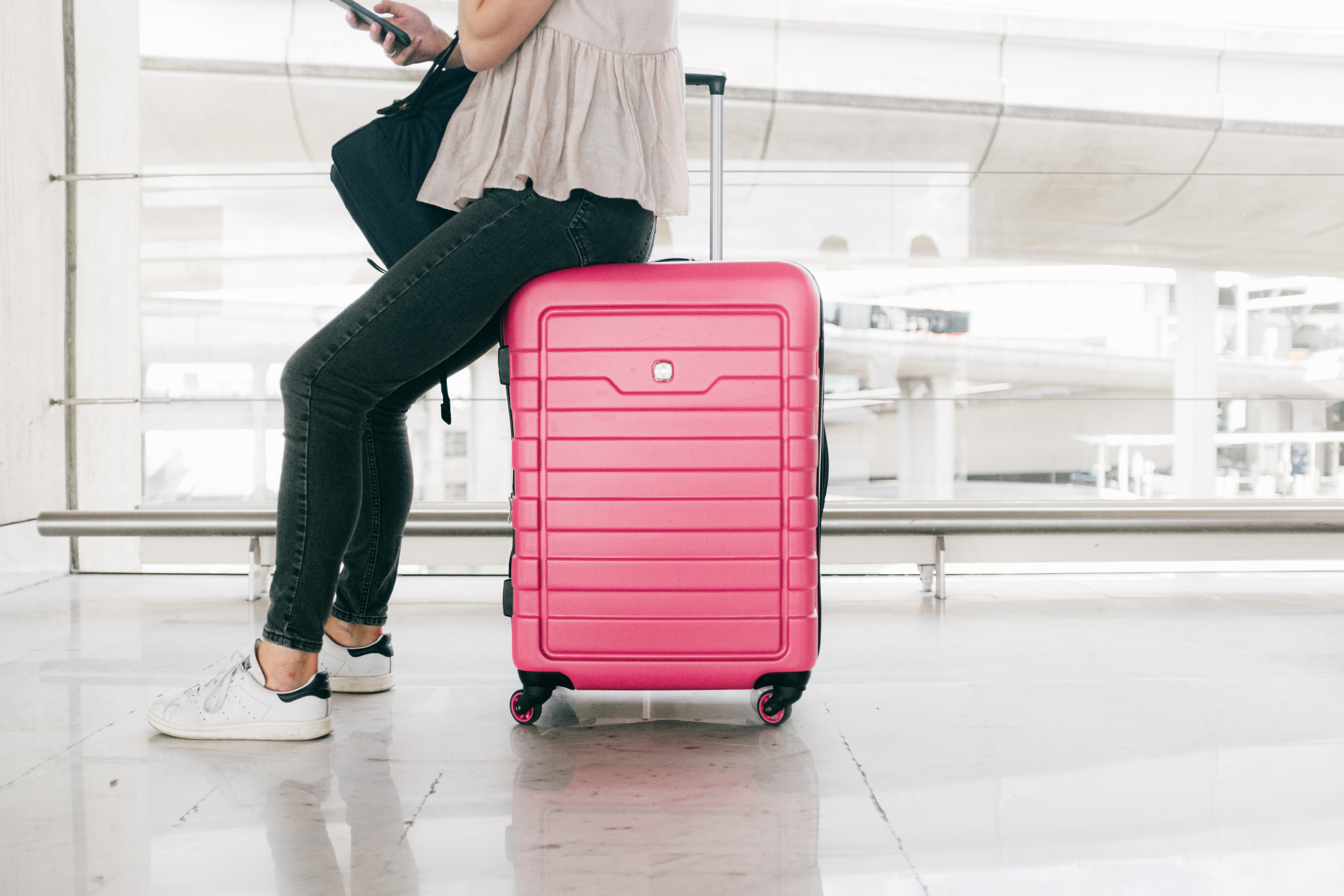
This can be tricky because every airline has a different policy! Let's walk through the steps together!
*Important*- If you purchase a seat for your baby, they will get to enjoy the typical baggage allowances that an adult would with their specific fare type!

Carrying your baby and all your baggage through the airport might end up being the best workout of your life—but it doesn’t have to be. Here are some tips and tricks to help you get through the airport stress-free.

Transportation Security Administration (TSA) is the agency responsible for overseeing security measures for aviation and other modes of transportation in the United States.
Every country has its own version of airport security, and while the general goals are similar, the rules and procedures can vary from country to country. For example, in Canada, airport security is handled by the Canadian Air Transport Security Authority (CATSA), which operates a system that’s very similar to what you’ll experience in the U.S.
For the purpose of this module, we’ll be focusing specifically on TSA rules and regulations, since those are what you’ll encounter when flying within—and departing from—the United States.

Flying with a car seat can be amazing—especially because it keeps your baby secure and comfortable. That said, while the U.S. is generally very car seat–friendly, international airlines and other countries can have very different rules.
Before flying internationally, it’s important not to assume your experience will be the same as a U.S. domestic flight. Always check directly with your airline ahead of time. Here are a few things you may encounter:
An airline may refuse to allow a car seat onboard, even if your child has their own seat
An airline may require a convertible car seat to be forward-facing, regardless of how your child typically rides
An airline may have strict maximum dimensions for car seats used onboard
Because of these variations, always confirm your airline’s specific car seat policies before flying internationally.
In the U.S., car seats are regulated and approved under FAA standards, which most domestic airlines follow consistently. Internationally, many airlines follow different aviation authorities (such as European standards), which is why policies around orientation, size, and approval can vary so much from airline to airline.
One of the biggest questions parents ask is whether they should bring a stroller—and if they do, what happens to it when it’s time to board the plane. In this module, we’re going to break it all down and walk through your stroller options step by step.
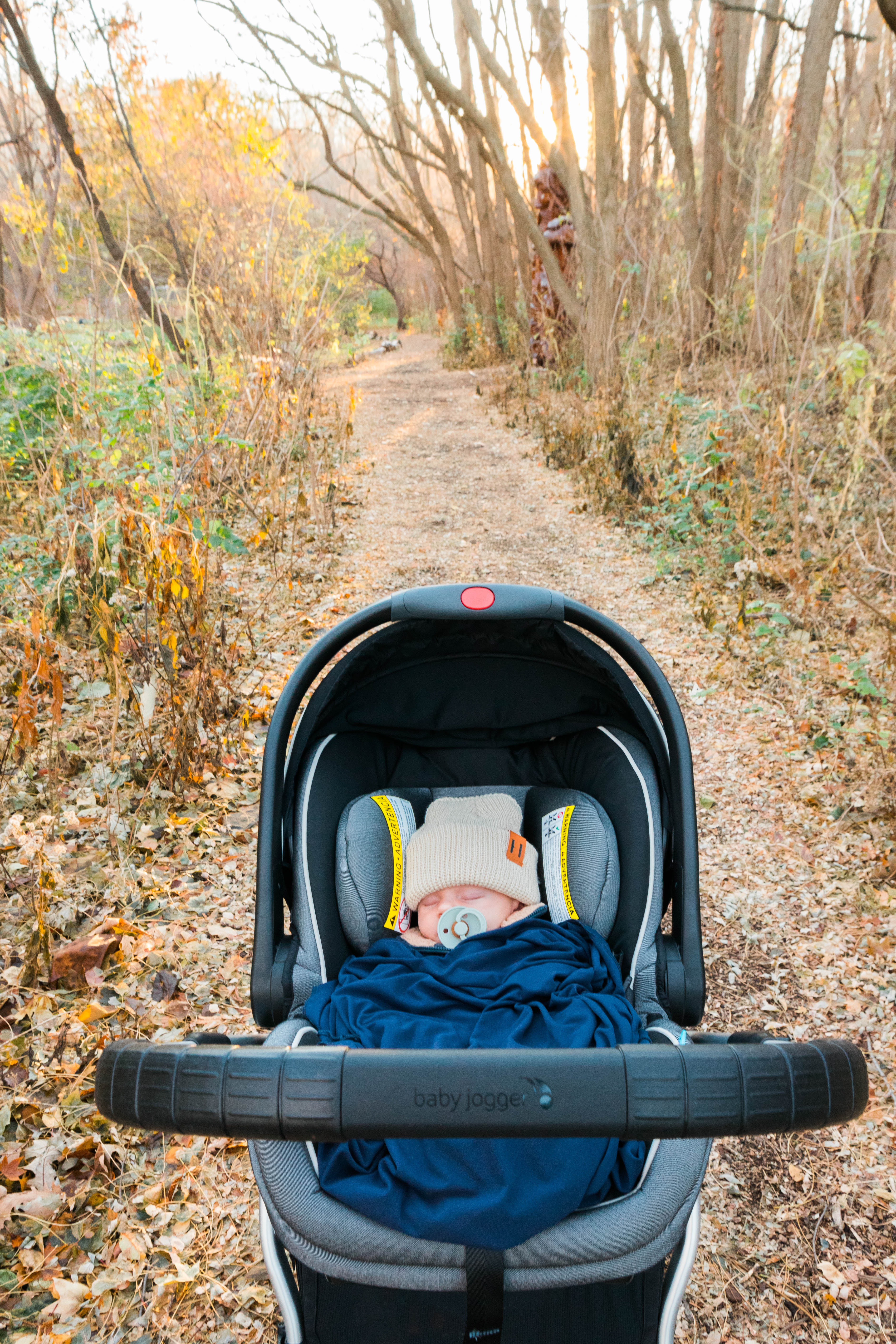
Many parents love baby wearing on travel days—and for good reason. In this module, we’re going to walk through the pros and cons of baby wearing while traveling, so you can decide if it’s the right fit for you and your baby.

You’ve made it through the airport, cleared security, and arrived at your gate—now what?
In this module, I’m going to walk you through the exact steps I take while waiting at the gate, so you feel prepared, calm, and ready to board when it’s time.
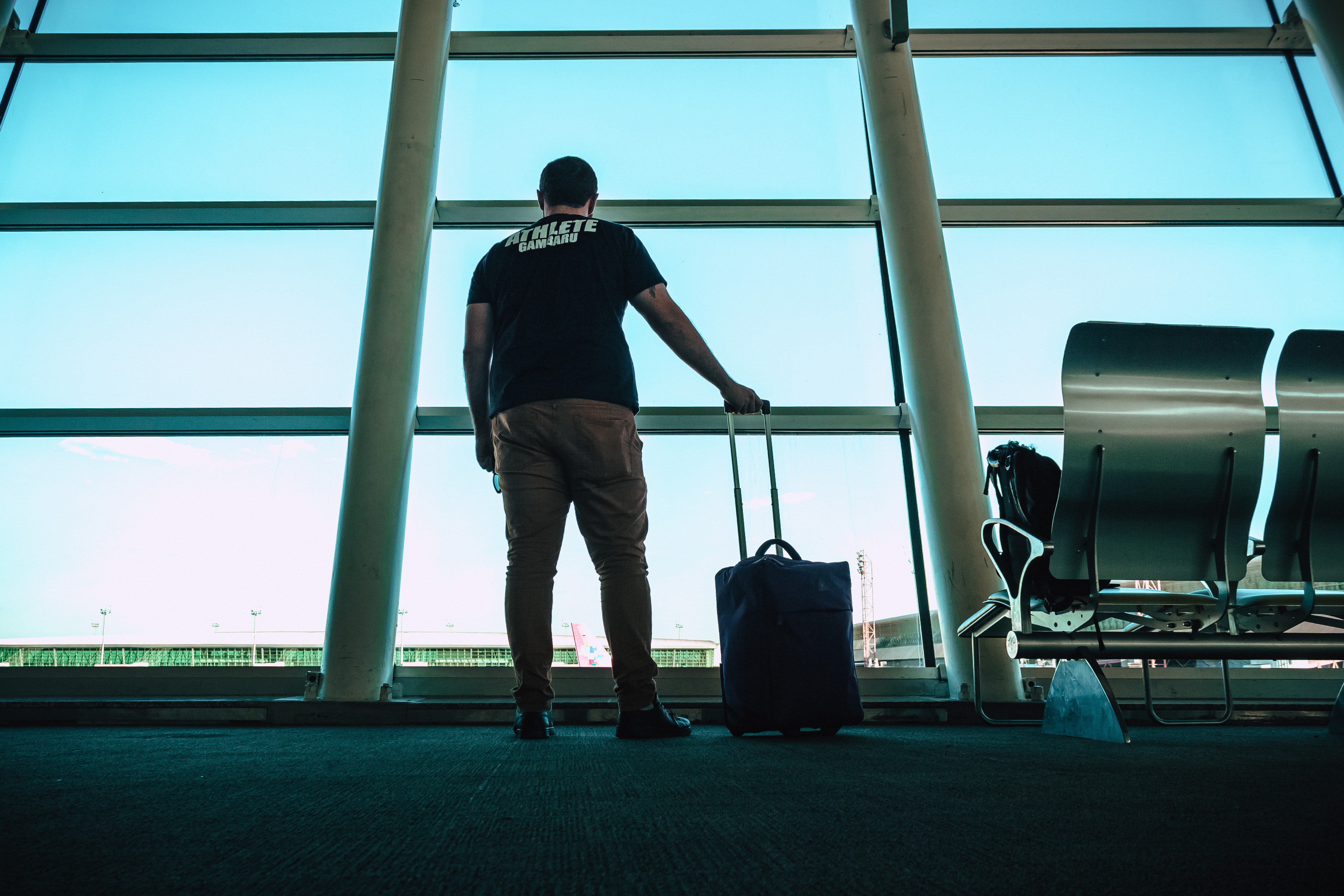
They’ve made the boarding call—it’s time to scan your boarding pass, walk down the jet bridge, and make your way to your seat.
But… how exactly do you do that while carrying a baby, car seat, stroller, diaper bag, and a carry-on?!
Don’t worry—this module will break it down step by step so boarding feels manageable instead of chaotic.
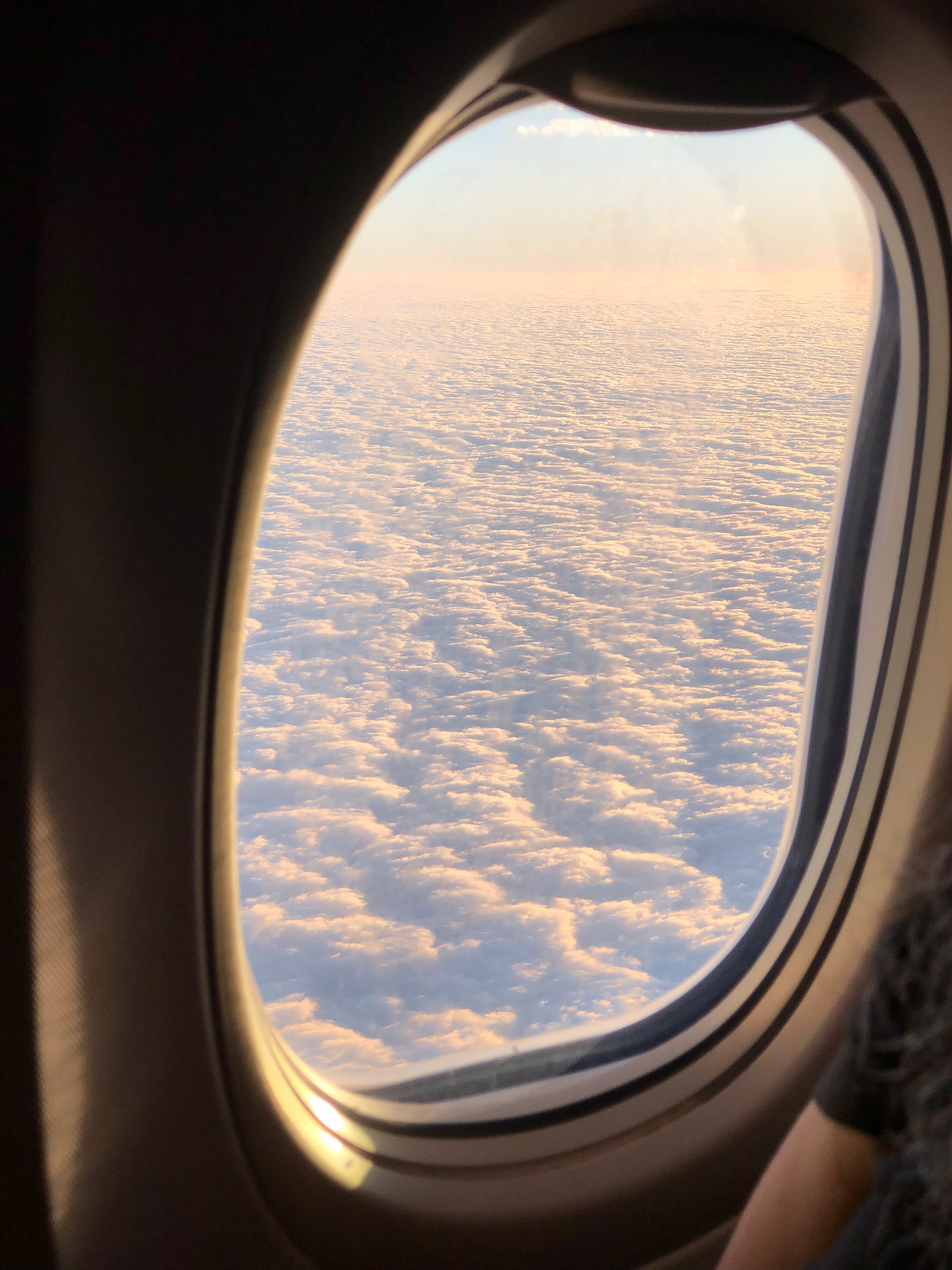
Choosing where to sit on an airplane with a baby can feel like a big decision. Do you go for the window seat? The aisle? Definitely not the middle seat… right? Let’s break down the pros and cons of each option so you can decide what makes the most sense for you and your baby.
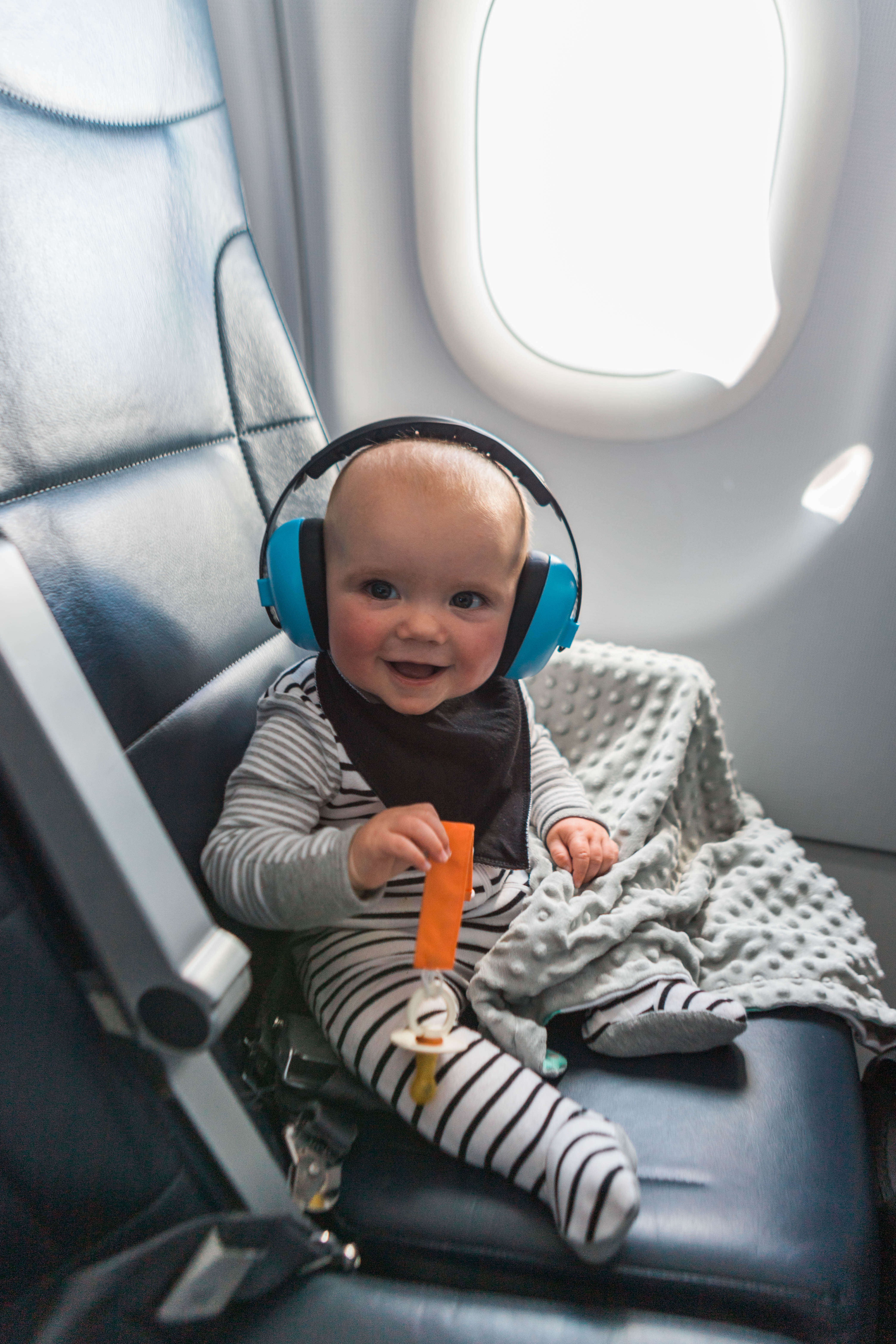

If you thought diaper changes were tricky on a regular changing pad, add a tiny airplane bathroom and a little turbulence, and you’ve got yourself a potentially messy situation.
Briggs and I have dealt with many diaper changes, blowouts, and unexpected accidents while flying—and in this module, I’m sharing everything we’ve learned along the way so you’re prepared no matter what happens.

Babies cry—that’s just a fact. But when it happens on a plane, it can leave parents feeling stressed and anxious, not only worrying about their baby, but also about what everyone else around them might be thinking.
In this module, I’ll share strategies I’ve personally used to help soothe a crying baby in the air—and, just as importantly, to help you feel more confident and prepared when it happens.

You’ve got a long flight ahead and you’re wondering how to keep your baby entertained—or maybe you’re traveling with a newly walking toddler and feeling stumped about how you’ll hold their attention for the duration of the flight.
Don’t worry—we’ve got you covered. In this module, I’m sharing practical, parent-tested tips to help keep your little one entertained while flying.

Will you be breastfeeding on your upcoming vacation? We've got some travel tips for you!

Will you be bottle feeding during your upcoming vacation with your baby? We've got some travel tips for you!




Yes—after-travel symptoms are very real. Even when a trip goes smoothly, your baby’s body and nervous system have gone through a lot. Changes in sleep, time zones, environments, stimulation, and routines can all show up after you arrive home or at your destination.
This module will help you understand some of the most common after-travel effects and give you practical ideas to help combat them—so you’re not caught off guard.

For more general travel hacks, check out our Instagram page!
